Nutrifresh hydroponics farm near Pune is emerging as a benchmark for large-scale soilless agriculture. With a turnover of ₹145 crore and cultivation of 42 diverse vegetable varieties, this hydroponic venture demonstrates the commercial viability and future potential of soil-free farming in India.
Overview of Nutrifresh Hydroponics Farm
🚜 Farm Scale & Growth Plans
- Operating on about 100 acres initially, expanding toward 2,000 acres soon.
- Positioned near Pune and surrounding rural areas.
- Comprises five hydroponic farming units.
💰 Revenue & Profit
- Achieved a ₹145 crore revenue, with a ₹14 crore profit (PAT) in FY25.
🌱 Production Achievements
- Produced approximately 2,600 tonnes of vegetables last year.
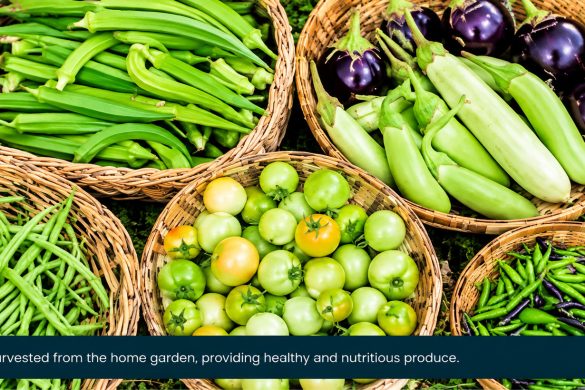
- Grows 42 crop varieties, including lettuce, broccoli, capsicum, and zucchini.
- Average monthly supply of about 150 tonnes to markets.

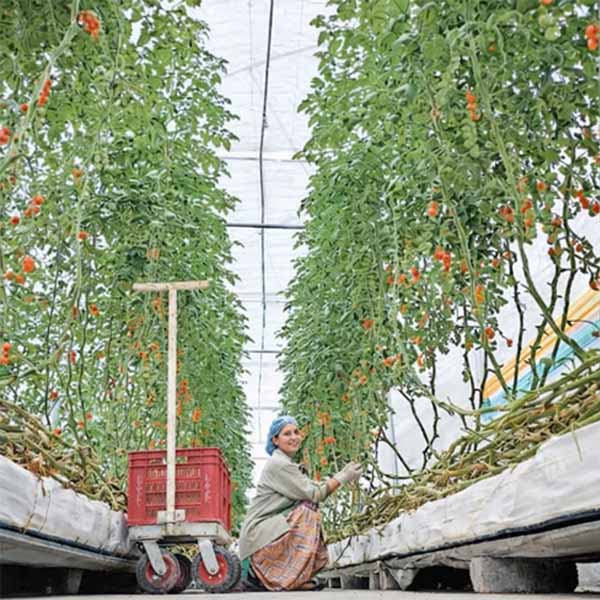
Hydroponic Farming Techniques
Nutrifresh employs multiple hydroponic systems tailored to crop requirements:
- Nutrient Film Technique (NFT)
- Deep Water Culture (DWC)
- Dutch Bucket Systems
- Advanced polyhouse designs with controlled environments.
Environmental control features include:
- Dual roofing for insulation
- Mist irrigation for humidity
- Double ventilation systems for airflow balance.
These systems ensure year-round production with minimal land use compared to traditional soil farming.
Controlled Environment & Workforce
🌡️ Climate Management
- Hydroponic structures maintain precise control of temperature and humidity to support optimal plant growth even during Pune’s hot seasons.
👩🌾 Employment Opportunities
- About 80% of farm workers are women, providing strong rural employment.
- Roles span cultivation, harvesting, and preliminary processing.
🚚 Post-Harvest Logistics
- Crops are washed, packed in crates, and sent to city processing centers.
- Retail delivery aims to reach kitchens within 24 hours of harvest.


Marketing & Distribution Channels
Nutrifresh uses a multi-channel approach:
🛒 Retail & Direct Sales
- Serves 15,000+ households across Pune and Mumbai.
- Offers subscription and meeting consumer demand through regular supply.
🏨 B2B Sales
- Supplies to star hotels, restaurants, and supermarkets.
- 85% of revenue comes from bulk institutional deals.
📦 Rapid Delivery System
- Retail products reach customers within one day of harvest, enhancing freshness and reducing waste.
Community Engagement & Growth Path
🌍 Expansion and Partnerships
- Farms are operated by paying lease rent with landowners, expanding production clusters nationwide.
🚜 Education & Training Programs
Nutrifresh offers:
- Weekly farm tours every Tuesday
- 14-day intensive hydroponics training
- Internship opportunities for hands-on learning
- Assistance for starting hydroponic farms after training.
Nutrifresh hydroponics farm in Pune is a powerful example of how advanced, controlled-environment agriculture can translate into substantial economic success while promoting sustainability and employment. By combining technology, efficient supply chains, and community engagement, Nutrifresh is shaping the future of commercial hydroponic farming in India.