By Shamla Rahman
Photo: Ajith Sankar
As part of the Subiksha Keralam project, Saseendran of Mailadi in Vengappally, Wayanad, is becoming a unique model in the fish farming started in the state. A model that anyone who loves agriculture can follow. Getting into farming is very simple.
M. Mikkalappadi. “The time for competing for public affairs is over. For years, vegetables have been a product without value for the farmer.” It is from this that the change came for Mailadi Saseendran, a farmer from Vengappally grama panchayat in Wayanad.
K. Saseendran
Puzhampadam House, Vengappally, Wayanad
Phone: 9446971366
Farm: 7 Acres
Annual Income: 17 Lakh Rupees
He quit politics after the term of the governing body ended. At that time, he had no other job in mind that would pay a decent wage. Today, Saseendran, Sasiyettan, M. Saseendran, the farmer who provides the Sainasaitis plant, M. Consultant, has grown as a farmer inside and outside Kerala under various names.
The story stands out because fish farming, crop diversity, nursery income, local food, visitor experience, and practical consultancy all come together on one farm in Wayanad.
Fish farming had started even before the Subiksha project came. The farm and the adjoining pond started on one acre of the homestead. Initially, there wasn’t much time to pay proper attention to the farm. During his time as the president of Vengappally panchayat, he was merely in the role of a spectator.
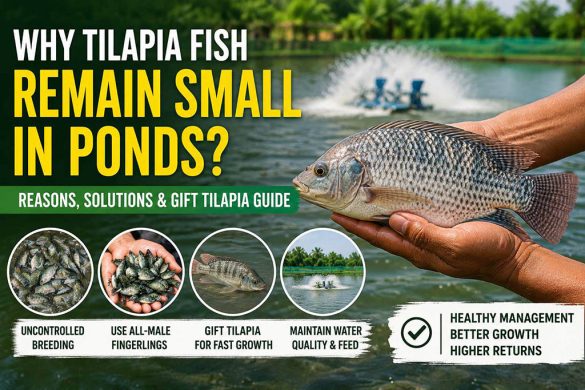
 The first thought was about Gift Tilapia, with 250 fingerlings, something the new generation has not even heard of. A cooperative institution gave Saseendran the strength to venture into that and new possibilities.
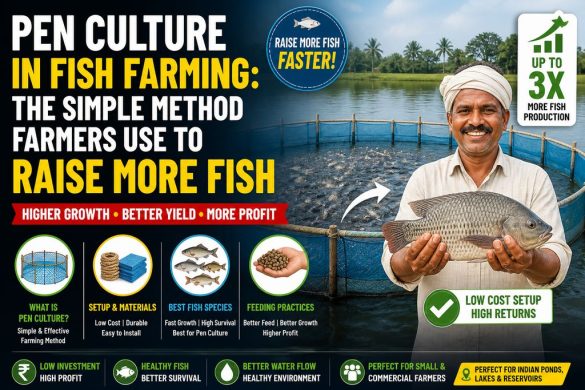
Currently, fish farming is done in 9 ponds. Along with edible varieties like Rohu, Catla, Varal (snakehead murrel), and Tilapia, there is also ornamental fish farming which has good market potential. Japanese Koi Carp is the main variety. There is also extensive breeding of Koi Carp. Carps have a good share of the income. When fish farming and agriculture were combined, Saseendran succeeded in life.
Main crops include ornamental fish, Pearl spot, Gift Tilapia, Black turmeric, Pepper, Mango ginger, Mango, Jackfruit, Bird’s eye chili, Tree turmeric, Nutmeg, Mango trees, Jackfruit trees, Bamboo, Medicinal plants, along with M. Consultancy.
In the approximately 7-acre farm, about half the area is fish ponds. The rest is used for paddy, tapioca, nutmeg, pepper, and various types of medicinal plants and herbs that yield produce.
This acre of farmland is as important as water and air. Farming must be done in a way that soil, man, and nature complement each other. This farmer also plays a part in embracing the biodiversity needed for the land.
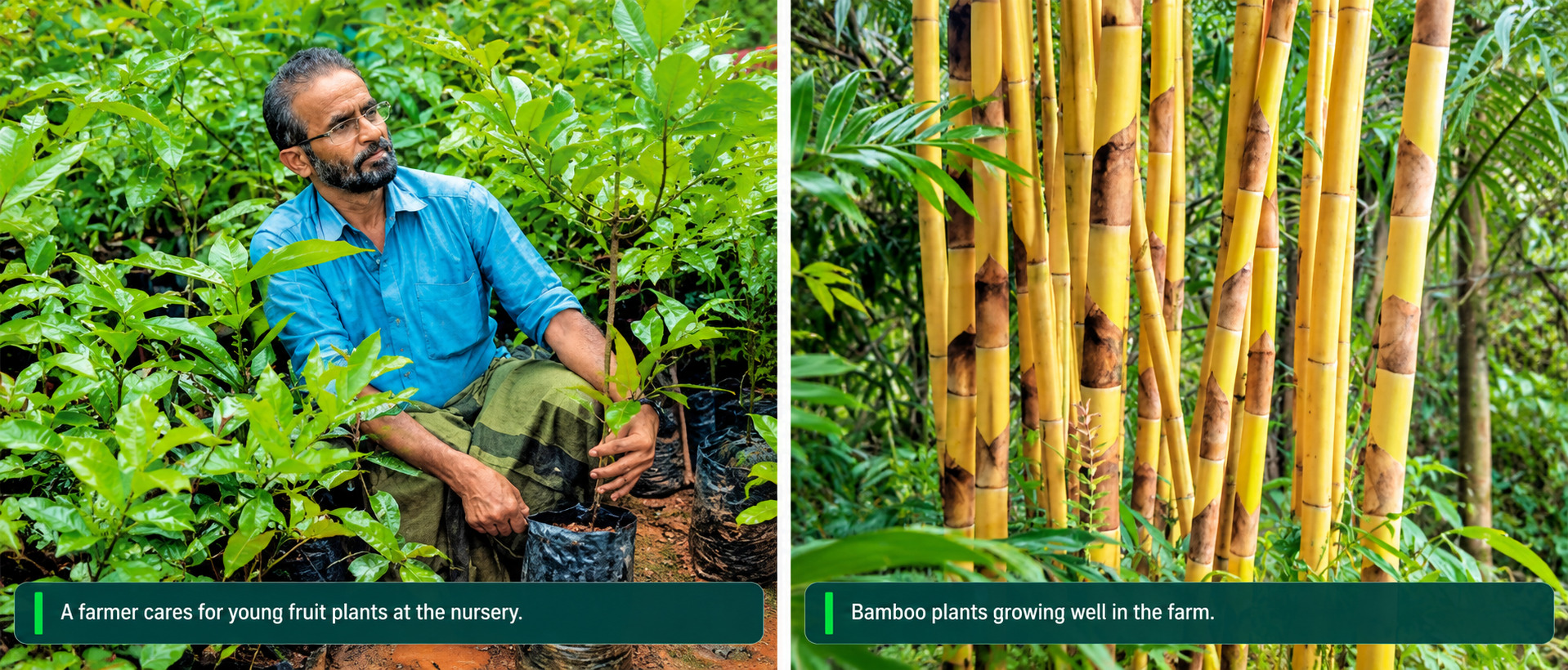
For future generations, space has been given on this farm for hundreds of medicinal plants, bio-pesticides that help crops, and various types of bamboo including those with medicinal properties. In addition to the products made from them, their saplings are also here. Bamboo is here not only for agricultural purposes but also for decoration and other uses.
Saseendran is also a protector of hundreds of medicinal plants, including rare varieties. Apart from this, the most recently started venture is ornamental fish farming. A rare collection of bamboo varieties is also maintained here.
The second coming in fish farming was after understanding scientific farming methods and selecting varieties with market potential. Starting with Gift M. Tilapia, it moved to new varieties of fish that were more valuable and had a better market.
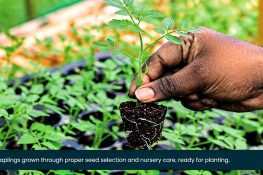
He was cheated because they were all the same in appearance and size. The farming of pearl spot, pepper, and coffee was also at a huge loss. The reason was the inability to pay attention and select good quality saplings. After raising fish fingerlings that had no value and bringing them to the market, there were no buyers. Many other crops were like this.
Because he was a farmer and knew farming, Saseendran turned back to farming again. He often sells at various farmer collectives in Wayanad itself. He also gets a good price based on the quality of the method. He also rears native cows for the availability of organic manure.
⚠️ The lesson from his experience is clear: scientific farming methods, good quality saplings, fingerlings with market value, and steady attention decide the result.
Although he had to face significant losses, including in fish farming, during the 2018 floods, his faith in agriculture and his willingness to use modern methods brought Saseendran back to the forefront.
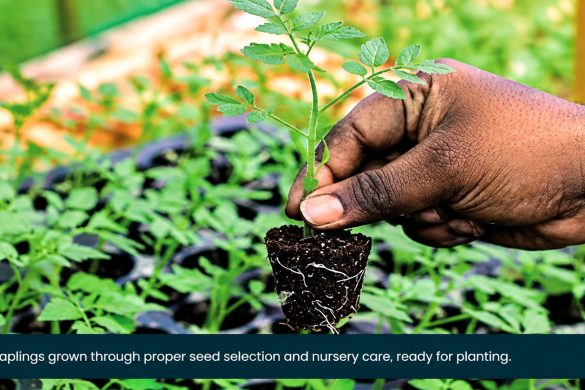
Learning lessons from the flood, however, this farm became a place that visitors remember. Everyone who visits and leaves wishes to grow at least some of this biodiversity in their own farms. This farmer makes medicinal plants and quality saplings of fruit trees available for them. A share of Saseendran’s income comes from this extensive nursery itself.
Another good share of Saseendran’s agricultural income is from M-Tourism. Numerous students and farmers from within and outside the state are visitors to the Mailadi farm. More people arrive on holidays. Many come to see and understand firsthand the various types of fish and the methods in this farm.
 It paves the way for both children and adults to imbibe agricultural lessons and find an income through it. Walkways, seating made completely naturally, and cottages have been arranged here. Guests are welcomed as a good host. You can sit in the lap of nature and enjoy local dishes. Saseendran also provides opportunities for everything, including fishing.
In reality, it is the tourists who come here who form the basis for Saseendran’s traditional crops. A good share of the agricultural products grown here are bought by Saseendran and his family, and these visitors themselves. Visitors are also ready to buy pure carps and chicken eggs by paying the asking price. Through this, the farmer also gets the right to determine the price of his own produce.
Today, Saseendran also has the name of being an excellent M-Consultant. His services are sought for the construction of many government fish ponds and in modern fish farming. Fish and local dishes containing native ingredients are served to visitors.
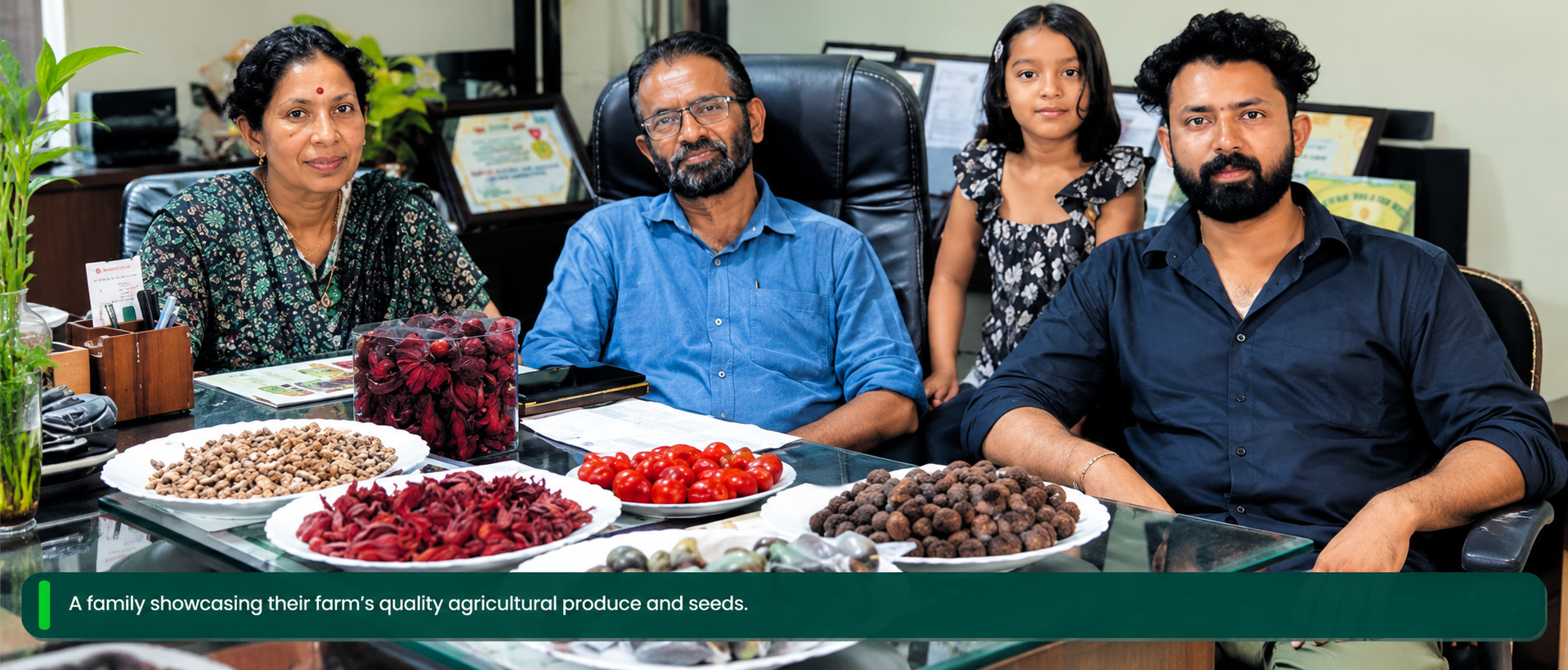
Saseendran is able to not only succeed in fish farming but also attract people to it by making them realize its potential to find an income. Leaving a good job, his son Syam is now with his father in farming full-time.