By A.V. Narayanan
Phone: 9745770221
Scientific Name: Strychnos nux-vomica Linn (Poison Nut Tree)
Family: Loganiaceae
A cow tied to the Kanjiram bark. A hut nestled in the lap of goodness are either the same or one is better than the other. The Kanjiram bark has good moisture. It is harsh for the above-mentioned saying to come into existence. The meaning is that cows feel as comfortable on the Kanjiram bark as a baby does in the lap of goodness.
Kanjiram is also something interesting with serene beauty.
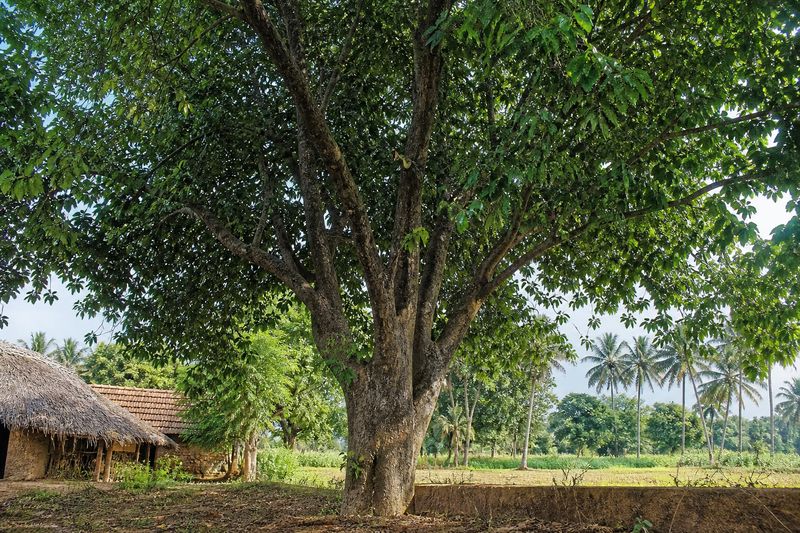
To the ignorant, Kanjiram is bewitching. It grows into a large tree, about 12-20 meters tall. Kanjiram. There are two types. The tree Kanjiram and the vine Kanjiram. This is a deciduous tree. It may also have thorns.
Scientific name
Strychnos nux-vomica Linn
Family
Loganiaceae
Growth
About 12-20 meters tall
Types
The tree Kanjiram and the vine Kanjiram
When a disease comes. The graveyard of those who died from it. Kanjiram is near where they are buried. There was a custom of planting it in the past.
The old saying connects Kanjiram bark with comfort, moisture and shelter, comparing the comfort of cows on the Kanjiram bark to a baby in the lap of goodness.
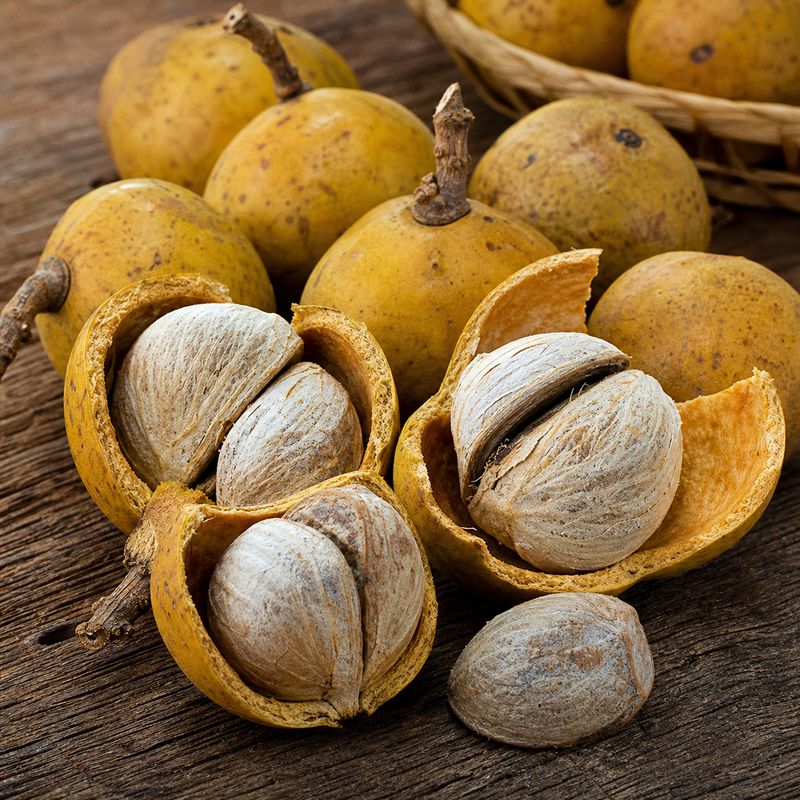
Kanjiram produces a lot of fruits. Inside the honey-yellow fleshy Kanjiram are seeds with ‘medorithan’. In the past, collecting Kanjiram fruits was a profession.
The fruits were collected, their shells removed, and the seeds were dried and sold to shops. This was exported to foreign countries.
The wood of Kanjiram is very strong. For making houses with "kattapporumenna". For making scales, set squares, boards, etc. It was also what was available before.
Making houses with "kattapporumenna"
Making scales
Set squares
Boards
"pidi", "vella", and platform "upputhara" for the "thenmavu"
Magazine racks from thin and long planks attached with "unakkamadakkiyil"
Caution: This tree is identified as the Poison Nut Tree. Its sap and parts should not be used. Just standing around the tree would cause dizziness and fainting.
Kanjiram is also used as a weapon to kill enemies. Weariness in many things.
This grows and flourishes like a channel for germs. The ‘asali’ of Kanjiram. ‘Ilakkudan’ is very sour. Hunger is important. Asafoetida, the cause of hunger.
From the bark, leaf, fruit, seed, all these are medicinal. Tulasi, Brahmi, Curry leaf, Henna, Pranan, Lemon, Jackfruit, Prandan, Neem – Kanjiram has the medicinal properties of these as well. It seems that this happens. In the olden days, for various diseases, one drop of Kanjiram root used to be given along with a decoction.
The article records traditional knowledge and old practices, while the plant name itself reminds readers to treat Kanjiram with serious caution.