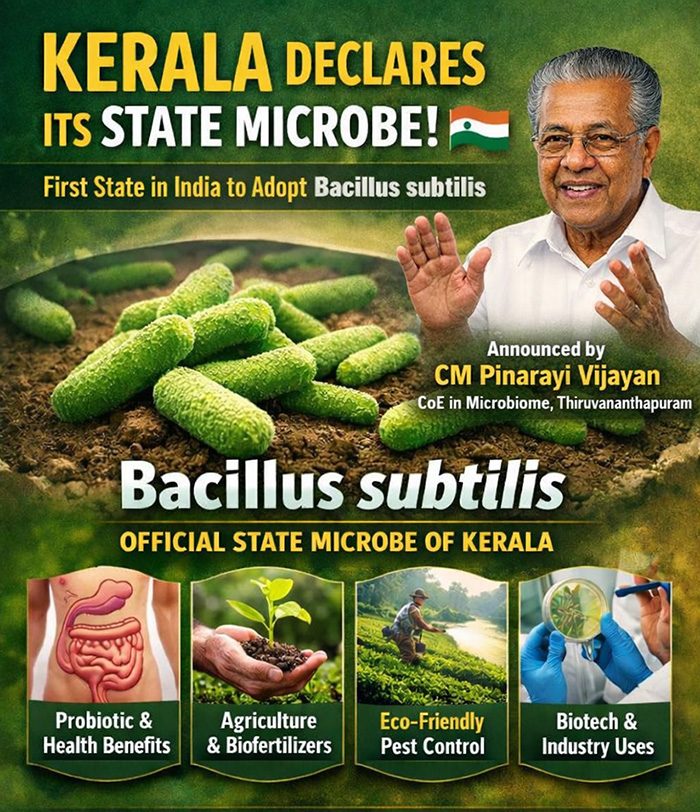
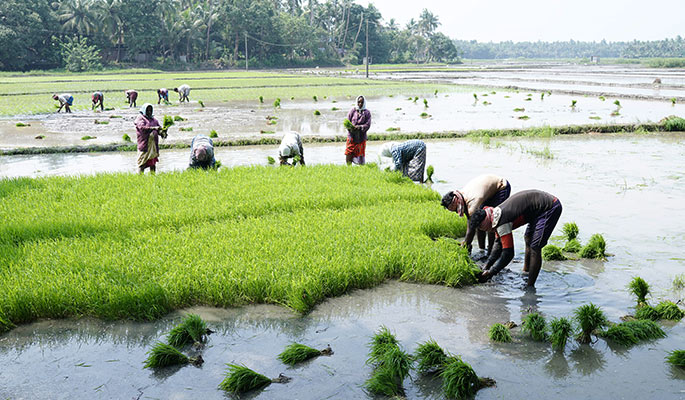
Kerala has created history by becoming India’s first state to officially declare a State Microbe, choosing the scientifically significant and agriculturally beneficial bacterium Bacillus subtilis. The decision places Kerala at the forefront of microbial science, sustainable agriculture, and biotechnology innovation.
Kerala’s Historic First: A State Microbe Declaration
Kerala’s decision marks a landmark moment in Indian science governance.
Key highlights:
- Kerala is the first Indian state to declare an official state microbe
- The announcement was made by Chief Minister Pinarayi Vijayan
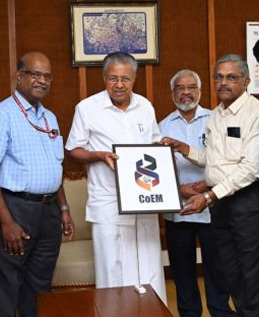
- Declared during the launch of the Centre of Excellence in Microbiome (CoEM)
- The move aims to popularise beneficial microbes, not just disease-causing ones
This step aligns with Kerala’s long-standing reputation as a leader in public health, science education, and ecological awareness.
What Is Bacillus subtilis?
Scientific Description
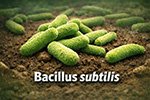
Bacillus subtilis is a naturally occurring, beneficial bacterium found widely in soil and the environment.
Key scientific traits:
- Gram-positive, rod-shaped bacterium
- Forms protective endospores, allowing survival in harsh conditions
- Non-pathogenic and safe for humans, animals, and plants
- Commonly present in soil, water, food, and the human gut
It is one of the most studied microorganisms in microbiology, often used as a model organism in research.

Why Did Kerala Choose Bacillus subtilis?
The selection was not symbolic alone — it was science-driven and strategic.
Reasons behind the decision:
- Plays a critical role in soil health and nutrient cycling
- Widely used in biofertilizers and organic farming
- Helps suppress harmful plant pathogens naturally
- Has applications in agriculture, medicine, industry, and biotechnology
- Aligns with Kerala’s focus on sustainable and eco-friendly farming
Government officials highlighted that the bacterium reflects Kerala’s soil-centric agricultural ecosystem and biodiversity-driven approach.
When and How the Decision Was Made
Timeline & Context
- The declaration was made in January 2026
- Announced during the inauguration of the Centre of Excellence in Microbiome (CoEM) in Thiruvananthapuram
- Supported by:
- Kerala State Council for Science, Technology and Environment (KSCSTE)
- Kerala Development and Innovation Strategic Council (K-DISC)
- Scientific mentorship from the Rajiv Gandhi Centre for Biotechnology (RGCB)
The decision followed extensive consultations with scientists, microbiologists, and policy experts.
Government & Scientific Voices
While formal quotations were limited in initial releases, the Kerala government clearly stated its intent:
The initiative aims to change the public perception of microbes — from disease-causing agents to essential partners in human health, agriculture, and ecosystems.
Officials also noted the economic potential of microbiome-based products, including biofertilizers, probiotics, and microbial solutions for farming.
What This Means for Agriculture & Farming
For farmers, this declaration has real-world significance, not just symbolic value.
- Improves soil fertility and microbial balance
- Enhances plant root growth
- Helps plants resist stress and diseases
- Reduces dependency on chemical fertilizers and pesticides
- Supports organic and natural farming systems
- Biofertilizers
- Seed treatment formulations
- Soil conditioners
- Plant growth-promoting microbial products
Relevance to Kerala’s Farming Ecosystem
Kerala’s agriculture is:
- Highly soil-dependent
- Dominated by small and marginal farmers
- Increasingly shifting towards organic and eco-friendly practices
Declaring Bacillus subtilis as the state microbe reinforces:
- The importance of living soil
- Microbial diversity as a farming asset
- Science-backed traditional agricultural wisdom
Boost for Biotechnology & Innovation
The move is expected to:
- Encourage microbial research and startups
- Promote biotech entrepreneurship
- Create new opportunities in:
- Agri-biotech
- Health microbiome products
- Environmental solutions
The Centre of Excellence in Microbiome (CoEM) will act as a hub for:
- Research
- Product development
- Data-driven microbiome studies
- Industry collaboration
Is There Any Controversy?
As of now:
- No major opposition or controversy has been reported
- Scientists and policy experts have largely welcomed the move
Some experts note that public education will be key, as microbes are still widely misunderstood by the general population.
Historical Context: Microbes in India
- India’s National Microbe (declared in 2012):
Lactobacillus delbrueckii subsp. bulgaricus (curd bacterium) - Kerala is the first state to take this concept further at a state level
This sets a precedent for other states to recognise region-specific beneficial microorganisms.
Fact Box: Bacillus subtilis at a Glance
- Type: Beneficial soil bacterium
- Safety: Non-pathogenic
- Key role: Soil health & plant growth
- Used in: Biofertilizers, probiotics, biotech
- Status: Kerala’s official State Microbe